
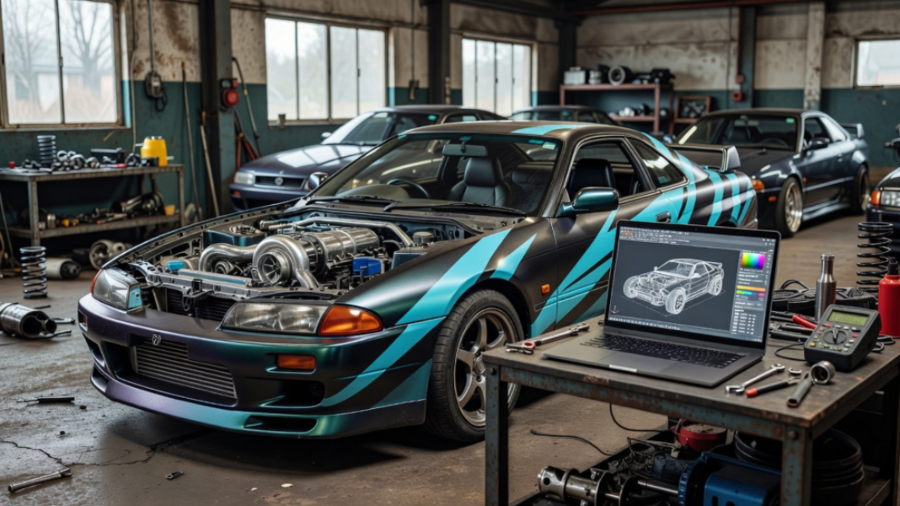
Introduction: Why Customization Matters
Digital customization and car tuning both became mainstream in Michigan over the last five years. Young car owners often bring their vehicles for upgrades or maintenance and need something to do while they wait. Many use a case battle on their phone to pass the time or practice reflexes. Reaction games can strengthen driver response times for real situations on the road.
Personalization has taken over almost every aspect of life by 2026, with car features and digital experiences both expected to reflect the driver’s style. You see this trend in daily life—from app-based climate controls to bold wraps on cars parked outside Michigan tuning shops. Survey results from local auto clubs show that 57% of drivers aged 18 to 29 in Michigan change their vehicle’s appearance and personalize digital tools regularly. This shift is both a cause and an effect—customization is now essential for comfort, convenience, and a sense of ownership.
Tuning on the Road: The Everyday Value of Car Customization
Michigan drivers now treat tuning as an ongoing process, not a one-time change. Services offer Stage 1 and Stage 2 upgrades, MHD tuning for faster ECU responses, aerodynamic body kits, and improved sound systems—all common in 2026. Even vintage cars often receive electric powertrains or adaptive safety systems during restoration projects around Detroit and Ann Arbor.
Customization offers immediate practical benefits. A heated steering wheel or programmable seat positions mean better comfort during Michigan’s cold snaps. Visibility upgrades such as LED headlamps and radar assist systems help drivers on night drives to Grand Rapids or over to Lake Michigan. Many make minor adjustments—mirrors, air vents, or touchscreen dashboards—before leaving a service garage, ensuring every drive fits their routine, whether it’s a weekly commute or a sudden trip up north.
Prices for upgrades vary. Basic tuning, like software updates or cosmetic trims, can start at $150. Advanced solutions—full infotainment integration, adaptive cruise control installs, retrofitting electric drivetrains—may run over $2,000. Michigan Auto Service Report data shows 60% of tuning customers return for additional updates within 18 months, driven by the steady stream of new features and the state’s ever-changing weather.
Digital Customization: More Than Just Appearances
Today’s vehicles double as digital hubs. Drivers change app themes, install route shortcuts, and customize dashboard widgets almost as often as their phone wallpapers. Michigan drivers use digital comics or personalized weather alerts on in-car displays while heading to Lansing or checking snow conditions before a weekend trip.
A single digital account connects work vans and private cars for many owners. Route memories, seat settings, and climate preferences switch automatically, saving time for gig drivers and parents juggling pickups. Personalization is practical—familiar icons and interface layouts speed up response and help with multitasking, especially in traffic around metro Detroit.
Michigan Transport Study shows 82% of drivers turn on at least one digital customization option when buying a new vehicle. Most switch between three or more features, such as voice assistant tweaks or display layouts. Young owners, in particular, see these features not only as comfort but also as an added layer of safety—having the right app or widget at a glance can reduce distraction and help with decision-making.
Lessons from Gaming: Fast Decisions and Reflex Building
The process of upgrading skills in games looks a lot like step-by-step car tuning. In both, each choice builds toward a more personalized and successful experience. For Michigan drivers under 25, mini-games that train reaction time are as common during waiting periods as changing seat positions.
Digital games focused on reflexes—like puzzle taps and lane-switch challenges—offer safe, structured practice. These activities support skills that matter in driving: avoiding sudden obstacles, adapting to changing road surfaces, and picking the right lane on busy I-75 interchanges. Michigan road safety instructors see a connection. They note that players with routine exposure to such games tend to react a fraction faster during on-road driver training exercises. Road Safety MI recommends setting aside about 20–30 minutes per week for reflex games; this matches the average for drivers aged 18–25 during maintenance waits, based on recent customer surveys.
According to interviews, these games don’t turn someone into a professional driver—but they do reinforce quick, accurate responses. Combined with in-car custom safety settings, these micro-habits provide a modest but measurable daily advantage on Michigan’s streets.
Customization as Lifestyle: Balancing Car and Digital Upgrades
Car and digital customization are now integral to daily life, not just optional extras. According to Auto Habits Survey 2026, drivers who upgrade their vehicles frequently often show the same approach to digital features—selecting new skins for apps, collecting track logs from weekend drives, or using NFT passes for access to secure parking.
Function lies alongside form. An upgraded sensor or tailored dashboard does more than impress friends; it supports focus and efficiency during challenging weather or heavy traffic. Michigan drivers report that balancing functional upgrades—such as adaptive headlights or remote start—and expressive ones, like custom floor mats, makes routine trips more comfortable.
Practical takeaways matter. It’s easy to get carried away adding features, but seasoned drivers recommend starting with safety-related adjustments—collision alerts, driver monitoring, or hands-free phone setups—before worrying about cosmetic changes. By focusing on essentials first, drivers maintain a sense of control, regardless of how quickly technology evolves.
FAQ: Practical Questions About Customization
How long does a basic car tuning take? Most updates in Michigan shops complete in two hours.
Which digital customizations save time? Quick-access route shortcuts and climate presets top the list.
Average cost to update rims or upgrade car OS? Rims start at $350, digital software updates from $99.
