
Keeping a commercial vehicle running reliably involves many of the same basic maintenance tasks as caring for a personal vehicle. Both require regular oil changes, tire inspections, brake maintenance, fluid checks, and attention to mechanical warning signs. However, commercial vehicles are often subjected to very different driving conditions, workloads, and performance expectations. Understanding these differences is important for business owners and fleet managers who depend on their vehicles to transport equipment, deliver materials, and keep daily operations moving.
Commercial Vehicles Are Built for Different Workloads
Personal vehicles are generally designed around everyday transportation needs, such as commuting, running errands, and taking occasional longer trips. Commercial trucks may spend their days hauling heavy materials, towing equipment, operating with specialized bodies, or traveling between demanding job sites. These working conditions place additional stress on components that might experience relatively light use in a family vehicle. Maintenance planning needs to account for what a truck actually does rather than simply how many miles appear on its odometer.
Selecting the appropriate vehicle for a particular application is an important part of preventing unnecessary mechanical stress. Businesses comparing Ford F-550 trucks for sale may be looking for chassis suitable for service bodies, flatbeds, dump bodies, or other specialized commercial configurations. Before purchasing, owners should evaluate factors such as gross vehicle weight rating, payload requirements, towing capacity, and the weight of any installed equipment. A truck that regularly operates beyond its rated limits can experience increased wear and create serious safety concerns.
Engine Maintenance Depends on More Than Mileage
Many drivers associate engine maintenance with reaching a particular mileage interval. Although mileage remains important, commercial vehicles may accumulate substantial engine operating time without traveling very far. Trucks used for stationary equipment operation, traffic-heavy delivery routes, or extended idling can experience considerable engine use while showing relatively modest mileage increases. This makes operating hours and service conditions important considerations in maintenance planning.
Engine oil plays a critical role in reducing friction, managing heat, and protecting internal components. However, severe operating conditions, frequent stop-and-go driving, and extended engine operation can influence maintenance requirements. Fleet operators should follow manufacturer recommendations for appropriate oil specifications, filter replacement, and service intervals. Keeping accurate maintenance records also makes it easier to identify when a vehicle is approaching its next scheduled service.
Tires, Brakes, and Suspension Components Face Additional Stress
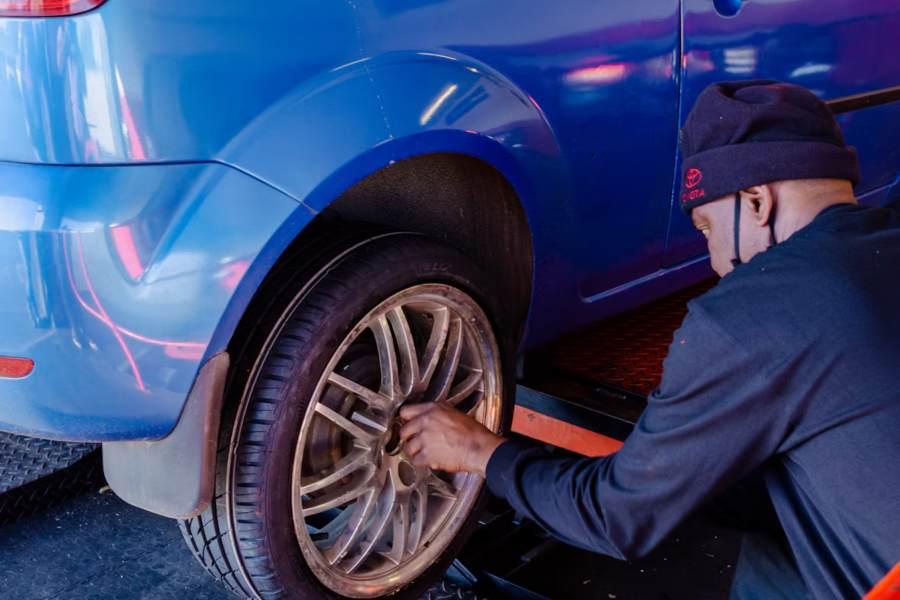
Commercial vehicle tires often support significantly heavier loads than those installed on everyday passenger vehicles. Proper tire selection, inflation, and load capacity are essential for maintaining stability, predictable handling, and safe operation. Underinflated or overloaded tires can generate excessive heat and increase the risk of failure. Frequent inspections are especially important for trucks that regularly carry changing loads or operate on rough surfaces.
Brake systems also face demanding conditions when vehicles transport heavy equipment or materials. Stopping a loaded truck requires managing considerably more kinetic energy than stopping an unloaded passenger car at the same speed.
Driving Conditions Can Change Maintenance Requirements
Where a commercial vehicle operates can be just as important as how it is used. Trucks traveling primarily on highways face different conditions than vehicles operating on construction sites, urban delivery routes, or rural roads. Dust, gravel, potholes, moisture, and repeated low-speed driving can influence the condition of filters, suspension components, brakes, and other systems. Maintenance programs should reflect these environmental demands rather than applying identical assumptions to every vehicle.
Michigan’s seasonal conditions create additional maintenance considerations for commercial fleets. Winter roads can expose vehicle undercarriages to salt and other deicing materials that contribute to corrosion. Cold temperatures also place demands on batteries, starting systems, tires, and certain fluids. Inspecting vulnerable components and addressing corrosion early can help extend vehicle service life.
Preventive Maintenance Has a Direct Impact on Business Operations
For someone who drives a personal vehicle, an unexpected mechanical problem may mean rearranging appointments or finding alternative transportation. For a business, a disabled commercial truck can interrupt several activities at once. Employees may be unable to reach job sites, important materials may arrive late, and customers may experience service disruptions. The financial consequences can extend well beyond the repair bill itself.
Driver Habits and Inspections Help Prevent Mechanical Problems
Drivers have an important role in commercial vehicle maintenance because they interact with the equipment every day. They are often the first to notice unusual sounds, warning lights, fluid leaks, changes in handling, or declining performance. However, these observations only become useful when employees understand what to report and feel comfortable communicating concerns. A company culture that discourages reporting minor issues can allow manageable problems to develop into serious failures.
