
The appeal of off-grid touring has grown exponentially in recent years. More drivers are seeking to disconnect from urban environments and explore remote trails across the country. However, taking a utility vehicle into challenging terrain requires much more than just enthusiasm and a destination. Transforming a standard vehicle into a highly capable off-road touring rig demands a careful balance of mechanical preparation and smart lifestyle modifications.
Prioritising Preventative Maintenance
Before you consider adding heavy accessories or packing for a long journey, you must ensure your base vehicle is in peak condition. The rigours of off-road driving place immense stress on every mechanical component. A sudden failure on a remote track can quickly turn an exciting trip into a stressful ordeal.
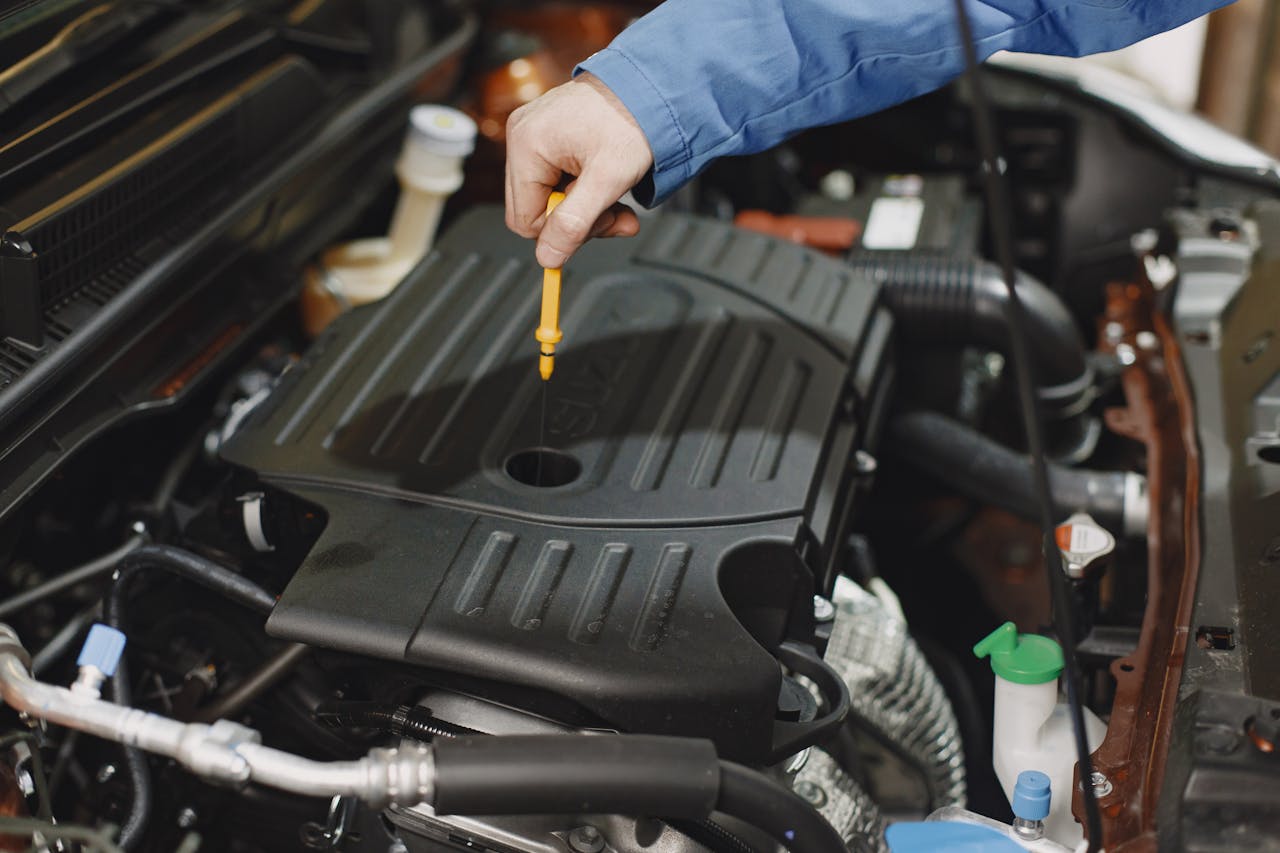
To avoid unexpected breakdowns, owners must follow strict servicing schedules. Applying top strategies for effective vehicle maintenance and repair is the most crucial step before any major expedition. This involves inspecting your brake systems to ensure they can handle steep descents safely. Furthermore, you must check tyre tread and pressure for optimal traction, and meticulously top up engine, transmission, and differential fluids. Inspecting drive belts, radiator hoses, and replacing old filters prevents overheating. Establishing this reliable foundation ensures your vehicle is well-prepared to support the weight of lifestyle modifications.
Upgrading for Utility and Protection
With a healthy engine and drivetrain confirmed, you can begin tailoring your vehicle for off-grid living. The primary goal of any touring upgrade is to maximise utility while protecting your essential equipment from harsh weather, pervasive dust, and potential theft.
One of the most effective ways to achieve this is by installing a 4×4 canopy on the rear of your utility vehicle. This acts as the secure central hub for your entire camp setup. It provides a highly durable, weatherproof environment to store expensive recovery gear, food supplies, and complex electrical setups safely. By enclosing the cargo area, you create a highly organised space that makes setting up camp at the end of a long driving day significantly easier.
When outfitting your touring vehicle, consider integrating the following essential upgrades:
- Dual Battery Systems: Necessary for running portable fridges, camp lighting, and charging electronic devices without draining the primary starter battery.
- All-Terrain Tyres: Upgrading from factory road tyres to robust all-terrain options reduces the risk of sidewall punctures on rocky trails.
- Snorkels: Raising the air intake protects the engine from heavy dust inhalation on dry dirt roads and prevents fatal water ingress during deep river crossings.
- Recovery Gear: Equipping your vehicle with a rated winch, recovery boards, snatch straps, and a comprehensive first aid kit ensures you are self-sufficient in emergencies.
Managing Weight and Upgrading Suspension
Adding heavy accessories, extra fuel, and dozens of litres of water will drastically alter how your vehicle handles. Every utility vehicle has a legal maximum payload, and exceeding this limit severely compromises braking efficiency, steering responsiveness, and overall stability.
It is vital to constantly monitor the weight of your modifications. Once you have added storage solutions and loaded your camping equipment, the factory suspension will likely struggle to support the load safely. Upgrading to a heavy-duty aftermarket suspension system is a necessary investment for any serious touring rig. A tailored suspension upgrade provides better ground clearance, absorbs the harsh impacts of corrugated dirt roads, and ensures your vehicle remains level and predictable under heavy, continuous loads.
The Wellness Return on Investment
The extensive maintenance and financial investment required to build a reliable off-road vehicle might seem daunting at first glance. However, the payoff goes far beyond the mechanical satisfaction of building a capable rig. The true reward is the profound impact that off-grid travel has on your mental health and overall well-being.
Escaping the constant noise of the city to spend time in natural locations offers proven psychological benefits. According to research highlighted by the American Psychological Association, spending time in natural environments is linked to significant improvements in mood, emotional well-being, and cognitive function. The findings suggest that time outdoors reduces cortisol levels and provides a necessary mental break from urban stimulation, helping to effectively alleviate stress.
By carefully maintaining your vehicle and investing in practical upgrades, you are unlocking a highly reliable gateway to these restorative outdoor experiences. A well-prepared vehicle ensures that your focus remains entirely on enjoying the journey, discovering new landscapes, and reaping the wellness benefits of the great outdoors.
