
Spring is just around the corner, and before we know it, summer temperatures will be testing the limits of our vehicles. Extreme heat is notorious for taking a massive toll on cars, accelerating wear and tear on everything from the heavy-duty battery under the hood to the delicate dashboard inside the cabin. Preparing your vehicle for warmer weather is not just about staying comfortable on your daily commute. It is a strictly necessary step to prevent costly, unexpected breakdowns and dramatically extend the overall lifespan of your vehicle. By proactively addressing both the mechanical components and the interior cabin materials, you can ensure a smooth, totally stress-free driving experience all season long.
Shielding the Cabin from Extreme Temperatures
The blazing sun can turn a parked vehicle into a dangerous oven in a matter of minutes. When sunlight enters through the windows, it gets trapped inside, rapidly heating the interior materials. According to the National Weather Service, the temperature inside a parked vehicle can rapidly rise to a dangerous level, with dark dashboards easily reaching up to 200 degrees. This intense, trapped heat does much more than just make the steering wheel too hot to comfortably touch. Over time, relentless UV rays and baking heat cause expensive dashboard plastics to crack, premium leather seats to fade, and sensitive touchscreen electronics to eventually fail.
The easiest, most cost-effective way to combat this damaging greenhouse effect is by installing a high-quality car sun blocker every single time you park in an uncovered area. By reflecting the sun away from the glass before the radiation penetrates the cabin, you significantly lower the interior temperature and actively protect your upholstery from permanent degradation. Finding a custom-fit option will maximize coverage, ensuring the highest amount of sunlight is blocked before it enters the cabin space. This everyday addition makes a massive difference in your driving comfort.
Prioritizing Under-the-Hood Inspections
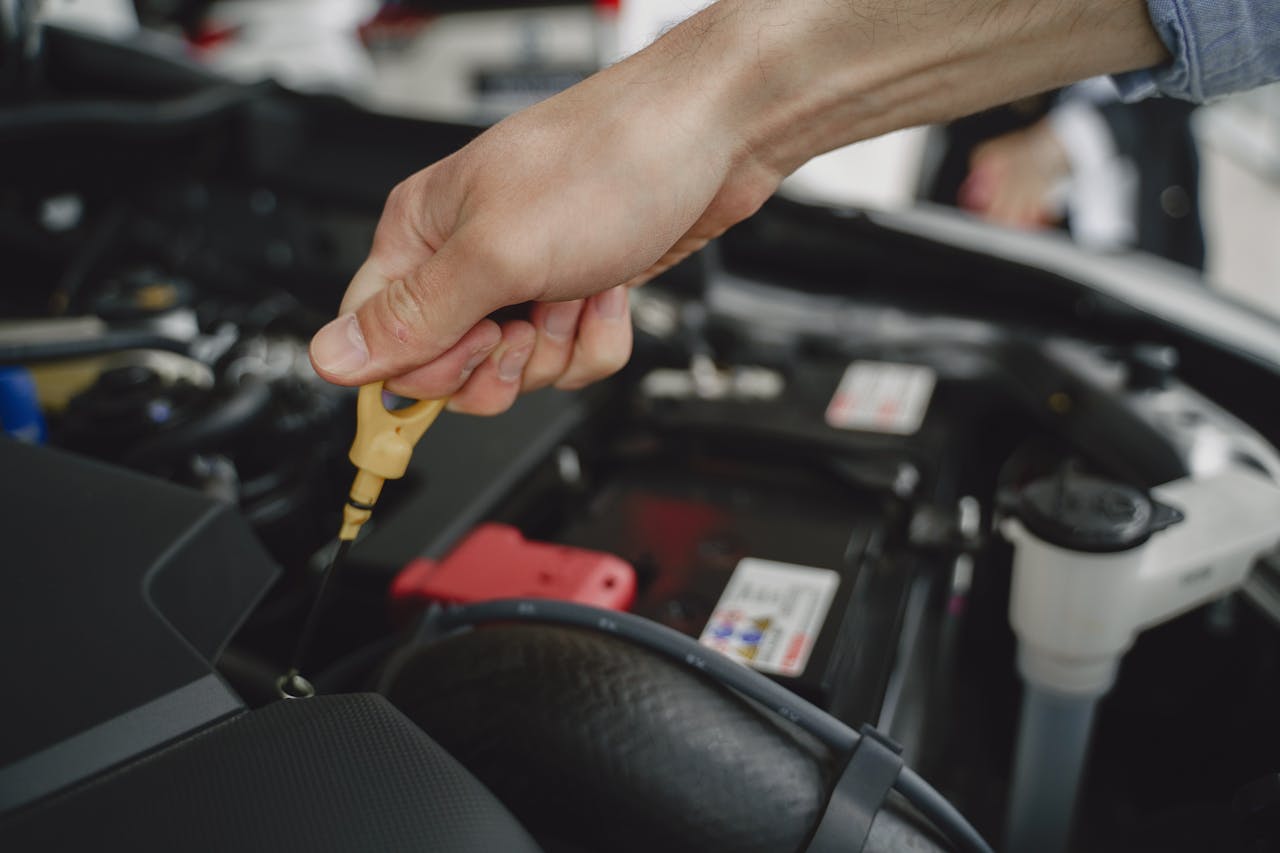
While you are focused on keeping the inside cabin cool, you must also ensure the engine does not overheat during long highway drives. Summer weather forces your entire cooling system to work overtime just to maintain normal operating temperatures. Before the peak heat formally arrives, it is absolutely crucial to inspect your coolant levels, rubber hoses, and radiator condition. A microscopic leak in a worn, dry-rotted hose can quickly lead to a blown engine on a sweltering afternoon.
Additionally, extreme heat is actually the number one cause of automotive battery failure. High temperatures cause the vital fluid inside your car battery to evaporate much faster, leading to internal corrosion and a severely reduced lifespan. Catching these mechanical problems early through routine maintenance and professional checks is a fundamental part of responsible vehicle ownership. Having a certified technician perform comprehensive diagnostic checks on your cooling system and electrical components will give you total peace of mind before taking any long summer road trips.
A Checklist for Summer Readiness
Beyond the core engine components and the passenger interior, a few other vital areas require special attention when the weather inevitably warms up. Staying proactive will keep you safe, comfortable, and out of the repair shop.
- Test the air conditioning: Do not wait for a sweltering July afternoon stuck in traffic to find out your A/C is blowing warm air. Have the entire system checked for minor leaks, replace the cabin air filter, and ensure the refrigerant is topped off by a professional.
- Monitor tire pressure: Intense ambient heat naturally causes the air inside your tires to rapidly expand. Overinflated tires are much more susceptible to dangerous blowouts on scorching hot asphalt. Check your tire pressure regularly with a reliable gauge and adjust it according to the manufacturer specifications found inside your driver-side door jamb.
- Replace old wiper blades: Harsh winter ice and heavy spring showers quickly degrade the rubber compounds on your windshield wipers. Install a fresh, durable pair right now so you are completely prepared for sudden, blinding summer thunderstorms.
- Top off essential fluids: Brake fluid, transmission fluid, and power steering fluid all need to be clean and exactly at the correct levels to function optimally in high-temperature environments. Check your engine oil as well, ensuring it is fresh and free of harmful debris.
Taking the brief time to properly prepare your vehicle for the impending heat is an incredibly smart investment that pays off immensely in vehicle longevity and daily reliability. Simple, everyday habits like choosing to park in the shade, utilizing protective window shades, and staying strictly on top of your scheduled automotive maintenance will keep your car running smoothly and looking practically brand new. Do not let the brutal summer heat get the best of your favorite ride. Be highly proactive, schedule a professional mechanic inspection today, and enjoy the sunny days ahead with complete driving confidence.
