
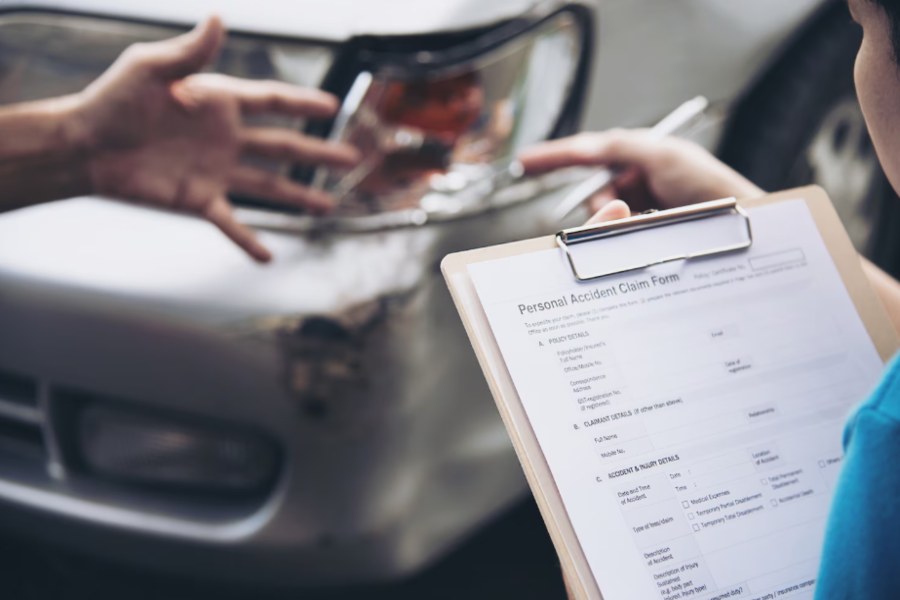
With Michigan seeing tens of thousands of injury-causing crashes each year, the moments after a collision are more than just chaotic—they’re critical. According to state reports, Michigan is expected to see over 300,000 crashes in a given year, a sobering reminder of the risks on the road. In the stressful and disorienting aftermath of an accident, it is incredibly easy to overlook crucial steps that protect your rights. This confusion can lead to missed evidence, a significantly weakened insurance claim, and immense difficulty proving your case if a legal dispute arises later.
This guide provides a straightforward, step-by-step checklist to help you systematically document a car accident scene in Michigan. Following these actions will ensure you gather and preserve the evidence needed to protect your financial and legal interests, giving you control in a situation that feels anything but controlled. Think of this as your roadmap to building a strong foundation for your insurance claim and any potential legal action that may follow.
First Response: Securing the Scene and Making the Official Call
In the immediate moments after a crash, your actions are guided by two primary objectives: ensuring the safety of everyone involved and creating an official record of the event. While your adrenaline may be high, a calm and methodical approach here is your best defense. This first phase sets the stage for everything that follows, from medical care to insurance negotiations, so it is vital to get it right.
Prioritize Safety Above All Else
Before you do anything else, check yourself and your passengers for injuries. Then, check on the occupants of the other vehicle(s). If anyone is injured, do not move them unless they are in immediate danger, such as from a fire. If the accident is minor and the vehicles are drivable, carefully move them to the shoulder or a nearby safe location to prevent further collisions. If you cannot move your vehicle, turn on your hazard lights immediately to warn other drivers. Crucially, you must not leave the scene of the accident. Doing so can have severe consequences, as it could be considered a hit-and-run, a serious offense in Michigan.
Why Calling 911 is Non-Negotiable
Calling 911 serves a critical dual purpose: it summons medical assistance for anyone who needs it and dispatches law enforcement to the scene. Even if there are no apparent serious injuries, you should always call the police. An official police report is an objective, third-party record of the incident and serves as the foundational document for any insurance claim or legal proceeding. This report will contain the officer’s initial assessment of the scene, diagrams, and statements from parties involved. This documentation is especially vital in intersection crashes, which account for nearly 30% of all collisions in Michigan and often involve disputes over who had the right-of-way.
The Critical Information Exchange Checklist
While waiting for the police to arrive, you should calmly and politely collect essential information from the other driver(s). Avoid discussing fault or apologizing for the accident. Stick to gathering the facts. Use your phone to take pictures of their documents, like their driver’s license and insurance card, as a reliable backup. This ensures accuracy and gives you an indisputable record of their information.
- Full Name and Contact Information (Address, Phone Number)
- Driver’s License Number
- Insurance Company Name and Policy Number
- License Plate Number
- Make, Model, and Year of Their Vehicle
Using Your Smartphone to Gather Key Evidence
After a crash, your smartphone is the most powerful evidence-gathering tool you have. The photos, videos, and notes you take in the minutes following the incident create an unbiased record that can be invaluable later. Memories fade, and stories can change, but photographic evidence is permanent. This is your opportunity to build a comprehensive file that supports your version of events and documents the full extent of your losses.
A Photographer’s Guide to the Accident Scene
Photographs create a powerful, indisputable visual record of what happened. You should take far more photos than you think you need from a variety of angles and distances. Capture the scene before the vehicles are moved, if possible. These images will help insurance adjusters and legal professionals understand the mechanics of the crash and the severity of the impact.
- Overall Scene: Take wide-angle shots showing the final resting positions of all vehicles involved. Be sure to include traffic signals, stop signs, speed limit signs, and any other relevant landmarks in your photos.
- Vehicle Damage: Get close-up and medium shots of the damage to all vehicles, not just your own. Photograph damage from multiple angles to show the points of impact clearly.
- Road Conditions: Document any factors that may have contributed to the crash. This includes skid marks, debris on the road, potholes, or hazardous weather conditions. In Michigan, snow and ice have been known to cause major pileups involving over 100 vehicles, making weather documentation essential.
- Visible Injuries: If you or your passengers have any visible injuries, such as cuts, bruises, or scrapes, photograph them at the scene. This helps establish a direct link between the injury and the accident.
The Power of an Objective Witness
Independent witnesses can be your most valuable asset, especially if the other driver’s story changes later. A witness has no vested interest in the outcome and can provide an unbiased account of what they saw. Their testimony can corroborate your version of events and be incredibly persuasive to an insurance adjuster or a jury. If there are any witnesses, politely ask for their full name and phone number before they leave the scene. Make a note of what they tell you they saw. Do not pressure them for a detailed statement; just secure their contact information so they can be reached later if needed.
Preserve Your Memory
Your memory of the event is freshest immediately after it occurs. As soon as you are in a safe place, use your phone’s voice memo app or a notepad to record every detail you can remember about the accident. Keeping your notes organized and easy to review can help you preserve important details, and resources like Fontava can support better visual presentation when preparing written documentation or reports.
This personal account can fill in gaps that photos or a police report might miss. Include specifics like the time of day, your direction of travel, the other vehicle’s direction, estimated speeds, and anything you saw or heard right before, during, and after the impact. Also, be sure to write down any statements made by other parties at the scene, such as admissions of fault or comments about being distracted. These on-the-spot recollections can be crucial for establishing fault, especially with causes like distracted driving, which killed 3,275 people in 2022.
From Scene to Claim: How Your Diligence Pays Off
The work you do at the accident scene is the first step in a longer process. The evidence you’ve gathered now becomes the foundation of your insurance claim and protects your right to fair compensation. How you use this documentation in the days and weeks following the crash is just as important as how you collected it.
Seek Immediate Medical Attention
It is imperative to seek a medical evaluation as soon as possible after a car accident, even if you feel fine. Not all injuries are immediately apparent. The adrenaline from the crash can mask pain, and serious conditions like whiplash, concussions, or internal injuries can have delayed symptoms. A prompt medical evaluation creates an official record that links any injuries directly to the accident, which is critical for getting your medical bills covered. With an estimated 2.44 million people injured in crashes annually in the U.S., establishing this medical timeline is a standard and necessary part of the claims process.
How Your Evidence Strengthens Your Insurance Claim
When you file a claim, you are initiating a negotiation with an insurance company. Your meticulous documentation directly counters common tactics used to devalue or deny claims and supports your demand for a fair settlement. The photos, witness information, and personal notes you took transform your claim from a simple request into a well-supported case file. A strong evidence file is particularly crucial in cases where extensive damage may lead to a total loss determination. If your vehicle is declared a total loss, you’ll want to have all your documentation on hand when deciding your next steps.
| Aspect of Your Claim | With Your Own Detailed Evidence | Relying Solely on Others (Police/Insurer) |
| Proof of Damage | Your photos provide immediate, indisputable proof of the vehicle’s condition at the scene. | You must wait for an adjuster’s assessment, which can be subjective and delayed. |
| Fault Determination | Witness statements and your detailed notes can strongly support your version of events. | The official report may lack crucial details or context that only you or a witness observed. |
| Injury Justification | Prompt medical records linked to photos of injuries create a clear timeline for your recovery needs. | An insurer may argue that delayed medical treatment indicates the injury wasn’t serious or wasn’t from the crash. |
| Negotiating Power | A well-documented file gives you leverage to reject lowball settlement offers and demand fair compensation. | A lack of evidence weakens your position, making it easier for the insurer to minimize the payout. |
Navigating Serious Claims and Legal Options
While many minor claims can be handled directly with insurers, cases involving serious injuries, disputed fault, or uninsured drivers often require professional legal guidance. In these complex situations, the evidence you gathered at the scene becomes the cornerstone of successful auto accident litigation. An experienced attorney uses your photos, witness contacts, and personal notes to build a compelling case from the very beginning. They can handle all communications with insurance companies, hire experts if needed, and fight to maximize your compensation for medical bills, lost wages, and pain and suffering. Considering the annual economic cost of crashes in the U.S. is a staggering $340 billion, the financial stakes are incredibly high, and having professional representation ensures your rights are fully protected.
Taking Control in a Moment of Chaos
In the disorienting aftermath of a car accident, your actions matter immensely. While you cannot control the fact that a crash occurred, you can control how you respond to protect yourself for the road ahead. By prioritizing safety, calling for official help, and using your phone to meticulously document the scene—from photos of the damage to witness contact information—you build a protective shield around your claim and your future financial well-being.
- Key Takeaway 1: Your immediate priorities are safety and calling 911 to create an official record.
- Key Takeaway 2: Use your smartphone to take extensive photos of the scene, damage, and road conditions, and to record your own memories of the event.
- Key Takeaway 3: This evidence file is your most powerful tool for strengthening your insurance claim and ensuring you receive fair compensation.
Keep this checklist in your glove box or save it on your phone. Hopefully, you will never need it, but being prepared is essential. The most powerful step you can take after ensuring your safety is to become your own best advocate by thoroughly documenting every detail.
