
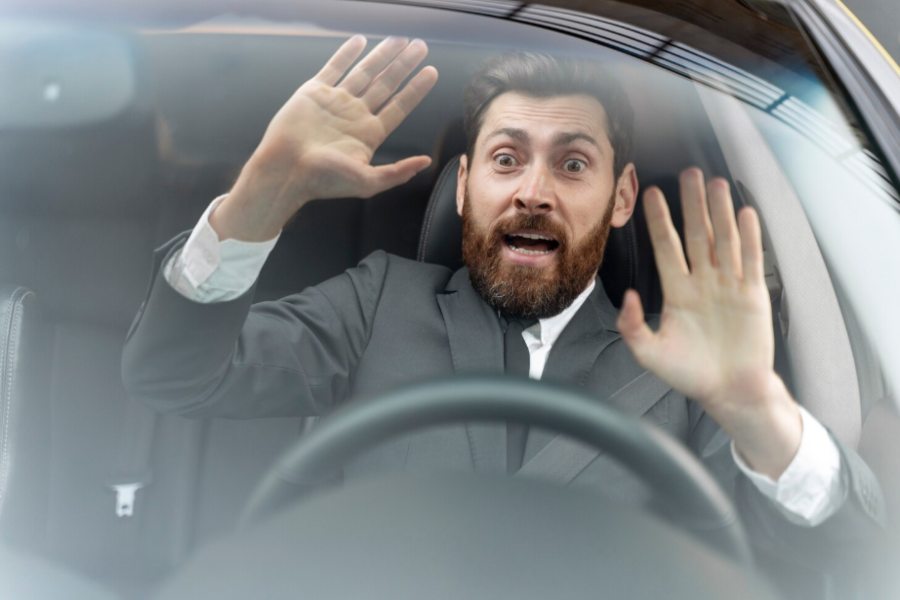
It’s wild how fast things flip after a crash. One second you’re checking if everyone’s okay. The next, the other driver is pointing a finger at you. Like you staged the whole thing. Maybe they insist you were texting while driving. Or accuse you of being drunk. That kind of blame hits hard. It makes your heart pound. It pushes you to defend yourself right away.
But firing back only clouds the scene. It creates noise that can hurt you later. You need a cool head. You need facts. Staying steady helps you protect your side of the story. It also stops the other driver from twisting it. Here’s what to do when someone blames you on the road so you stay covered.
Stay Calm Even If They’re Agitated
Accidents trigger stress. Drivers can get loud. They might blame you immediately without assessing the situation first. Reacting emotionally to them only escalates things. Staying calm gives you control. It also keeps your actions and words from being misinterpreted later.
Focus on breathing. Speak slowly. Keep your hands visible. Nod or say neutral phrases. Avoid arguing or raising your voice. Even simply keeping your hands on the wheel can prevent misunderstandings. All these prevent small tensions from turning into bigger problems.
Don’t Apologize or Accept Blame
It’s natural to want to apologize after an accident. It feels polite. But one of the most important things to do after a car accident is to avoid admitting fault. Saying sorry can be twisted against you by the other driver. Insurance adjusters can take it as an admission of guilt. That can reduce claims.
Instead, stick to facts. Describe what happened. Use neutral language. Avoid commenting on who should’ve done what or speculating on their actions. Keep your explanations short and precise. Keeping your words factual shields you from claims that aren’t yours.
Document the Scene Thoroughly
Photos and videos are your strongest proof that you didn’t cause the accident. Many drivers skip this step. But evidence disappears fast. Small details get lost. Documenting everything protects your side of the story. It prevents disputes from escalating. It gives insurance and the police clear evidence.
When taking photos, get multiple angles of the vehicles. Capture road conditions, too. If you were driving on icy, slippery roads in winter, take extra photos of the area. Note time, location, and visibility. You can also take notes. Writing down everything that happened ensures you can support your claim later. This attention to detail keeps your story solid.
Call the Police Even If They Insist Not To
Some drivers say the accident is too minor for authorities to be involved. They ask you not to call. Then, they blame you in the same breath. Skipping a police report makes it more believable that the accident was your fault.
Always dial 911. Give a clear description of the accident. Let officers document everything. Get the responding officer’s badge number if possible. This official record protects your claim. It clarifies fault, regardless of what the other driver is saying.
Police involvement stops false claims from sticking. It ensures there’s an unbiased record of what happened. It also makes insurance processing smoother. Calling the police shows you were following the rules. This strengthens your case and shuts down unfair blame.
Call a Lawyer If Blame-Tossing Gets Severe
Accusations can include traffic violations. Things escalate when the other driver exaggerates. You might face citations for running a stop sign or failing to yield.
A lawyer is crucial when things heat up. They deal with the other driver and the police. They protect your rights. They handle citations and traffic paperwork. If accused of a DUI or reckless driving, a lawyer guides you on how to respond. They document your side. This prevents you from making mistakes that could hurt your record.
Get a local lawyer where the incident happened. Traffic rules differ per state. For example, if you were charged with a DUI, your license could be suspended for 30 days in Michigan. But if the same thing happened in, say, Maryland, the administrative suspension could last 180 days. That’s when you would need a local Maryland traffic lawyer to handle the local procedures.
Notify Insurance Right Away to Protect Your Claim
Insurance plays a huge role in accidents. Delaying notification can risk coverage. This is especially important if the other driver is blaming you. So, don’t wait long. Call your insurer immediately. Give only the facts. Share photos and other evidence that can support your story. Mention witnesses who can back it up.
Notifying your insurance quickly when the other driver is blaming you protects your side of the story. It ensures your claim is documented accurately. Acting fast can prevent disputes and keep your record clean.
Conclusion
Getting blamed for a crash you didn’t cause feels unreal. It knocks you off balance. Although your first instinct is to push back, it’s best to stay calm. Stick to the facts. Document the scene. And if you need back-up, call the police or your lawyer.
These moves give you power when someone tries to pin the fault on you. When you focus on these actions, you stay in control. It keeps the situation from spiraling. Most importantly, you safeguard your record.
