
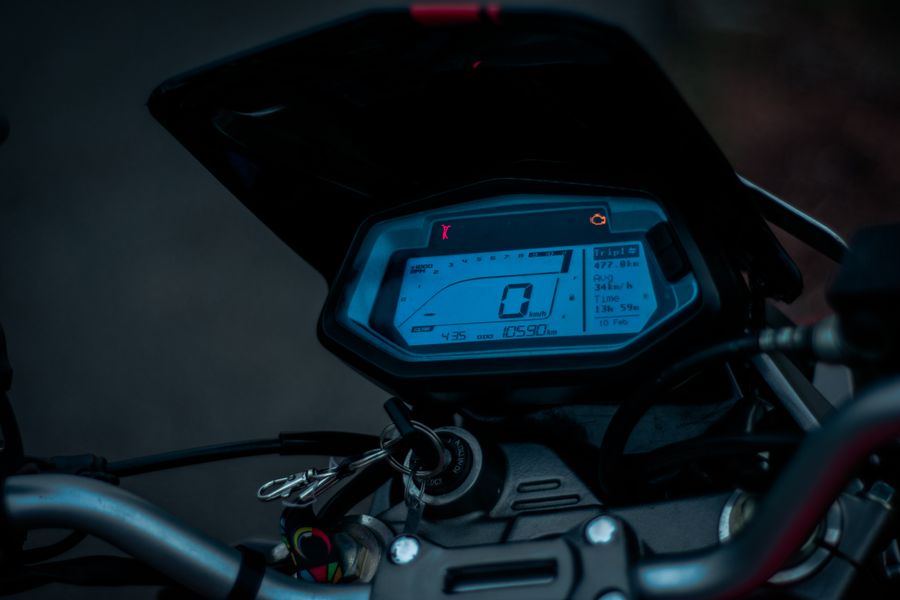
Odometer numbers get a lot of attention during a motorcycle search, but a single figure rarely tells the whole story. A low reading can hide years of neglect, while a higher number might belong to a well-maintained, long-distance machine that still has plenty of life left. Before making a decision based on mileage alone, it helps to understand what that number actually reveals about a bike’s condition and history, and why so many experienced riders treat it as a starting point rather than a final answer.
Anyone browsing options should look beyond the odometer and into maintenance records, service intervals, and how the miles were accumulated. A well-organized pre-owned motorcycle inventory often includes this kind of documentation, making it easier to compare bikes fairly rather than relying on a single number.
Highway Miles Versus City Miles
Not all miles are created equal. A high-mileage bike ridden mostly on open highways tends to experience less wear than a lower-mileage one used for stop-and-go, short-trip commuting. Frequent starts, idling, and low-speed handling put more strain on a clutch, transmission, and cooling system than steady highway cruising does. When reviewing a listing, it is worth asking how the previous owner typically rode, since that context matters more than the raw total.
Engine Wear and Long-Term Durability
Modern motorcycle engines are built to handle far more mileage than many buyers assume. A well-maintained, four-stroke engine can often exceed fifty thousand miles without major issues, provided oil changes and valve adjustments were handled on schedule. Riders can find general reliability benchmarks and maintenance expectations through resources like the Motorcycle Safety Foundation, which offers guidance on upkeep that extends far beyond the showroom. A bike with moderate mileage and a documented service history is frequently a safer bet than one with low mileage and no records at all, since consistent, well-timed maintenance tends to matter more than the total distance shown on the dash.
Maintenance History Matters More Than Numbers
A logbook filled with regular oil changes, chain adjustments, and tire replacements says more about a machine’s condition than an odometer ever could. Gaps in service records, or evidence of long periods without use, can signal deeper problems such as fuel-system corrosion or dried-out seals. Sitting unused for extended stretches can be just as damaging as heavy use, since rubber components and gaskets degrade over time regardless of mileage. Requesting maintenance receipts and comparing them against typical manufacturer schedules gives a clearer picture of what has actually happened to the bike.
Red Flags Beyond the Odometer
Rolled-back odometers do happen, so cross-referencing mileage against wear patterns is a smart step. Worn foot pegs, a heavily creased seat, dull or discolored plastics, or a chain and sprocket set that looks far more used than the number suggests can all point to inconsistencies worth investigating further. Checking a vehicle history report, similar to the ones available through the National Insurance Crime Bureau, can also reveal whether a bike has been reported stolen, salvaged, or involved in an accident, information that mileage alone will never disclose.
Making a Confident Decision
Ultimately, mileage is one data point among several, not a verdict on its own. Combining it with maintenance history, riding conditions, visual inspection, and a mechanical check produces a far more accurate picture of a motorcycle’s true condition. Taking the extra time to look past the odometer often separates a smart purchase from a costly mistake, and it turns a simple number into genuinely useful information.
