
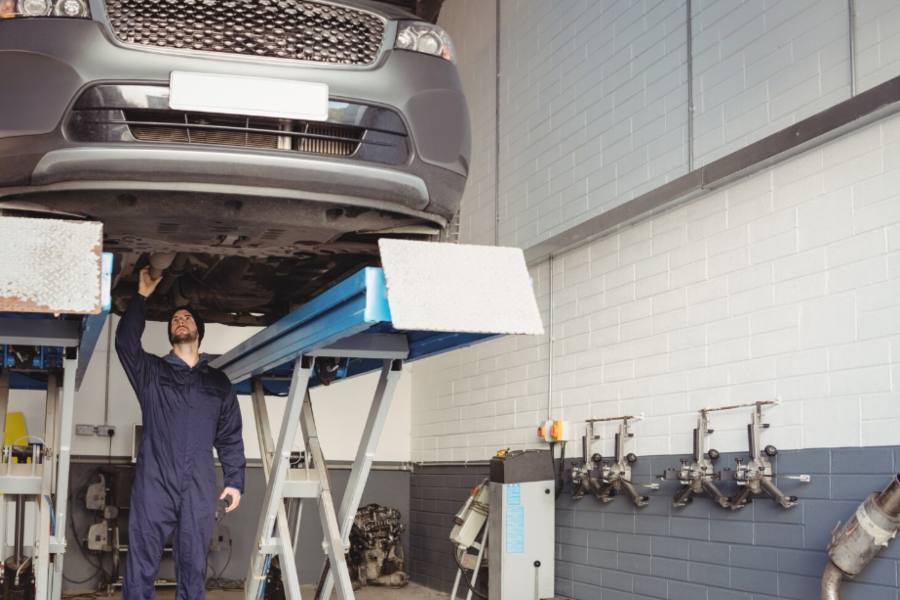
A vehicle lift is one of the most valuable investments a garage owner can make. Whether the goal is performing repairs, restoring classic cars, increasing storage capacity, or improving workflow, the right lift can dramatically enhance both convenience and safety. Instead of working in cramped spaces beneath a vehicle, owners gain better access and a more comfortable working environment.
However, selecting the right vehicle lift requires more than comparing prices or choosing the most popular model. Garage dimensions, vehicle types, maintenance needs, and plans all influence which lift will provide the greatest value. Understanding these factors helps buyers make a practical decision that supports their needs for years to come.
Understanding the Different Types of Vehicle Lifts
The first step in choosing a vehicle lift is understanding the major categories available. Each type is designed for specific purposes and offers unique advantages depending on how the garage is used. Knowing the differences can help narrow the selection process and prevent costly mistakes.
Two-post lifts are widely used in professional repair facilities because they provide exceptional access to a vehicle’s undercarriage. By lifting the vehicle from designated frame points, technicians can easily remove wheels and access suspension, brake, and drivetrain components. This design makes them particularly useful for repair-intensive environments.
Four-post lifts and scissor lifts serve different needs. Four-post models are known for their stability and ease of use, while scissor lifts offer a compact solution for smaller spaces. Buyers should carefully evaluate their intended use before deciding which design best aligns with their daily activities and long-term goals.
Evaluating Your Garage Space and Layout
Garage dimensions play a major role in determining which lift can be installed safely and effectively. Ceiling height, floor space, and overall layout all affect how a lift will function once it is in place. Taking accurate measurements before shopping can save considerable time and frustration.
Ceiling clearance is especially important when lifting taller vehicles such as trucks and SUVs. Even if a lift physically fits within a garage, limited vertical space may prevent vehicles from being raised to their full working height. Understanding these limitations early helps buyers avoid choosing equipment that cannot be fully utilized.
The condition of the concrete floor is equally important. Vehicle lifts place significant weight and stress on the surface beneath them. In addition to floor strength, buyers should consider nearby obstacles such as storage cabinets, workbenches, lighting fixtures, and garage doors to ensure safe and efficient operation.
Matching Lift Capacity to Your Vehicles
Choosing the proper weight capacity is one of the most important safety decisions when purchasing a vehicle lift. Every lift is designed to handle a specific load range, and exceeding those limits can create serious risks for both equipment and users.
A good starting point is identifying the heaviest vehicle currently owned. Buyers should also think about future vehicle purchases, restoration projects, or potential changes in garage use. A lift that accommodates today’s vehicles may not be sufficient several years from now.
Selecting a lift with additional capacity often provides valuable flexibility. It allows owners to service a broader range of vehicles while reducing strain on the equipment. Investing in appropriate capacity from the beginning helps ensure long-term safety and performance.
Considering Maintenance and Service Needs
Different vehicle lifts are designed to support different types of maintenance work. Understanding the tasks that will be performed most frequently can help buyers select a lift that improves efficiency rather than creating limitations.
For extensive mechanical repairs, a two-post lift often provides superior accessibility. The ability to remove wheels and access major components without obstruction makes it a preferred choice for technicians who regularly perform suspension, brake, and drivetrain work.
Many collectors and hobbyists have different priorities. Those seeking storage solutions often research the best 4 post lifts because they provide excellent stability while maximizing vertical space. These lifts are also convenient for inspections, oil changes, and routine maintenance, making them a versatile option for many home garages.
Prioritizing Safety Features
Safety should be a primary consideration when comparing vehicle lifts. While features and pricing vary widely among manufacturers, dependable safety systems remain essential regardless of the lift type being considered.
Most quality lifts include mechanical locking systems that secure the vehicle at various heights. These locks provide critical protection by supporting the load independently of the hydraulic system. Buyers should understand how these safety mechanisms operate before making a purchase decision.
Other important features include durable cables, reliable hydraulic components, reinforced structural elements, and clear operating controls. Choosing equipment from a reputable manufacturer can provide additional confidence that the lift has been engineered to meet demanding safety expectations.
Understanding Installation Requirements
Installing a vehicle lift requires careful planning and preparation. While some models are relatively straightforward to assemble, others require specialized installation procedures that should be handled by experienced professionals.
Before purchasing a lift, buyers should review all installation requirements. These may include electrical upgrades, concrete specifications, anchoring systems, and minimum clearance measurements. Addressing these factors in advance helps prevent unexpected expenses and delays.
Local regulations may also influence installation plans. Certain jurisdictions require permits or inspections before vehicle lifts can be placed into service. Understanding these requirements early can streamline the process and ensure compliance with applicable building standards.
Balancing Budget and Long-Term Value
Budget considerations naturally influence purchasing decisions, but the lowest-priced option is not always the most cost-effective choice. Vehicle lifts represent long-term investments that affect safety, productivity, and overall garage functionality.
Higher-quality lifts often incorporate stronger materials, more durable components, and better engineering. These advantages can result in fewer repairs, lower maintenance costs, and greater reliability over the lifespan of the equipment. What initially appears more expensive may ultimately provide better value.
Warranty coverage, manufacturer support, and replacement part availability should also be considered. A lift that delivers dependable performance for many years can provide significant returns through improved efficiency, enhanced storage capabilities, and reduced maintenance challenges.
Conclusion
Selecting the right vehicle lift requires balancing multiple factors, including garage dimensions, vehicle weight, maintenance requirements, installation considerations, and budget. Taking time to evaluate these areas carefully helps ensure the chosen lift aligns with both current needs and plans.
A quality vehicle lift can transform a garage into a safer, more efficient, and more versatile workspace. By focusing on functionality, reliability, and long-term value rather than simply upfront cost, buyers can make a confident investment that supports their automotive projects for many years to come.
