
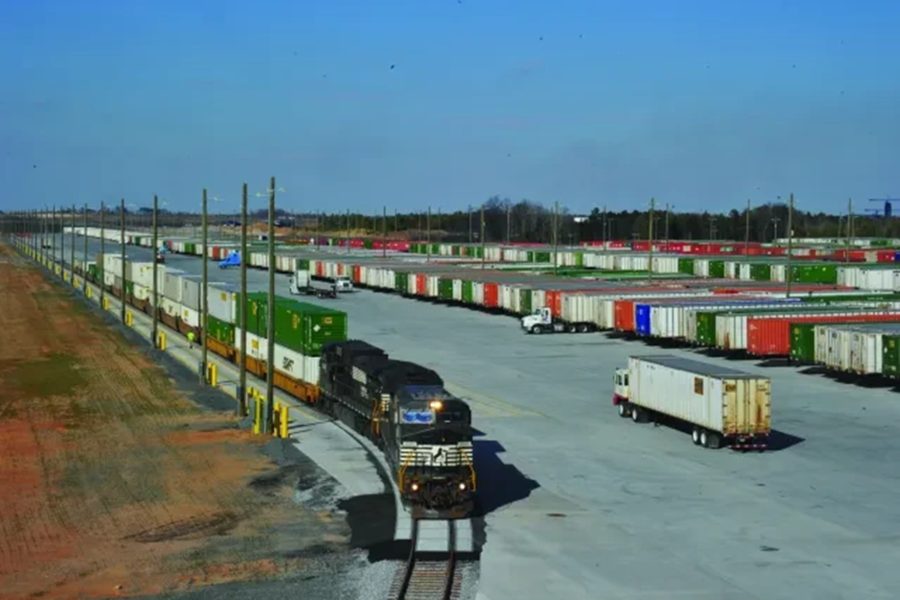
Charlotte is one of the hidden freight markets in the Southeast. Positioned between several major interstates, rail-changing zones, and increasingly developing warehouses, the city is a good place to get a job as a truck driver. The city offers a vast variety of truck driving jobs for people with a commercial driver’s license (CDL). Whether it is local routes providing fixed schedules or Charlotte regional lanes balancing miles and time at home, truck driving jobs in the city can be very different in structure, salary model, and impact on everyday life.
When it comes to choosing available trucking jobs Charlotte, NC drivers face the most challenging situation — not the lack of them, but the choice of the type of job that best fits you. Local CDL jobs, regional CDL routes, intermodal Charlotte operations, and dedicated accounts are part of the same market, yet each requires a different kind of experience, a varying degree of schedule tolerance, and a varied perspective on income. Learning how these roles are different is crucial before applying for the driver position or talking with the recruiters.
This guide explains how the Charlotte freight market operates, compares local and regional driving options, throws light on CPM and hourly pay models, and which questions drivers ask to the recruiters regarding the offer they should get. If you are a rookie or a skilled driver seeking a change, this knowledge will help you earn better and have a good quality of life.
The Reason Why Charlotte Is a Good Place to Work for CDL Drivers
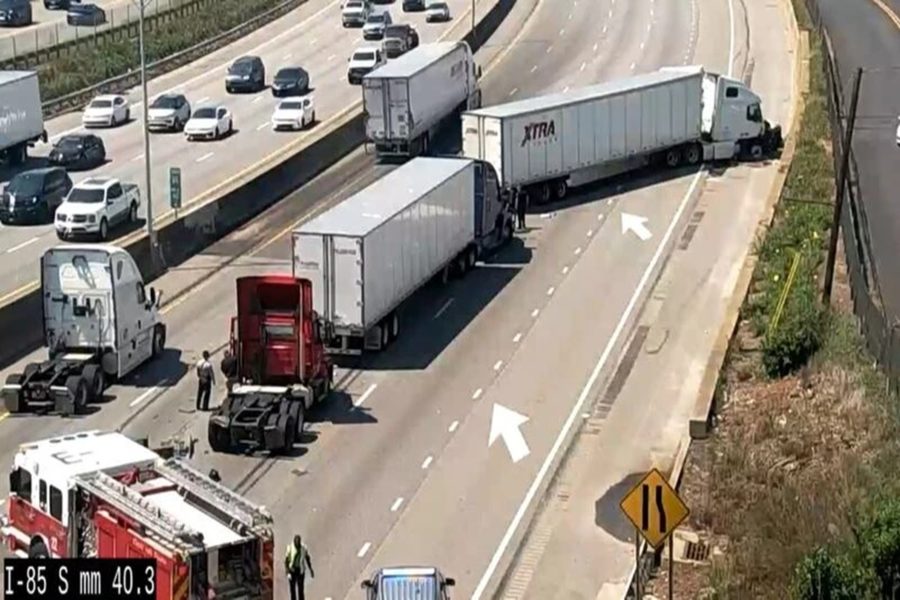
Charlotte is a freight demand market that is a combination of retail distribution, manufacturing supply chains, and rail-to-truck transfers. The region is like a hub, connecting the Carolinas with Georgia, Virginia, and Tennessee, thus making it a natural place for staging regional freight movements. I-85 and I-77 logistics parks, which are the largest in the area, offer no-touch freight while the local rail terminals still fuel the intermodal Charlotte operations.
The other factor that also affects the market is the diversity of employers. National carriers, local fleet operators, and dedicated-contract operators all fight for the drivers to fill in the positions. By doing so, it creates opportunities for CDL holders while at the same time increasing the difference in pay, bonuses, and schedules. Some jobs require drivers to be home daily, whereas others need to maintain mileage consistency through routes that deliver goods to warehouses weekly.
Because of this variety, Charlotte is always interesting to drivers who like the idea of customizing their work-life balance and not having to work a standardized job. The key is to know how each particular category of work operates in reality, rather than just what is written down in a job post.
The Reality of Local Truck Driving Jobs in Charlotte
Local CDL jobs in Charlotte are usually related to distribution centers, retail replenishment, port-to-warehouse drayage, or dedicated customer routes. Such routes are preferred by truckers who want to keep their schedules and home time constant.
The most typical features found in local CDL jobs are:
- Shorter daily mileage with multiple stops
- Early morning or overnight start times
- Frequent city and suburban driving
- Hourly pay or day-rate structures
Many local roles truthfully advertise home daily trucking, but drivers should still talk to recruiters about the length of their shifts. It could be common to have shifts lasting from ten to twelve hours, generally at peak retail seasons. Although it may be paid hourly, the total income is usually adjusted by the overtime policies and the amount of the work that is consistent.
Most of the local jobs contain no-touch freight, for instance, in the drop-and-hook environments. Nevertheless, some assignments literally involve unloading manually or palletized freight handling. Asking the right recruiter questions about stop counts, dock time, and wait time pay is very important for drivers before committing to a decision.
CDL Routes: Miles vs. Home Time
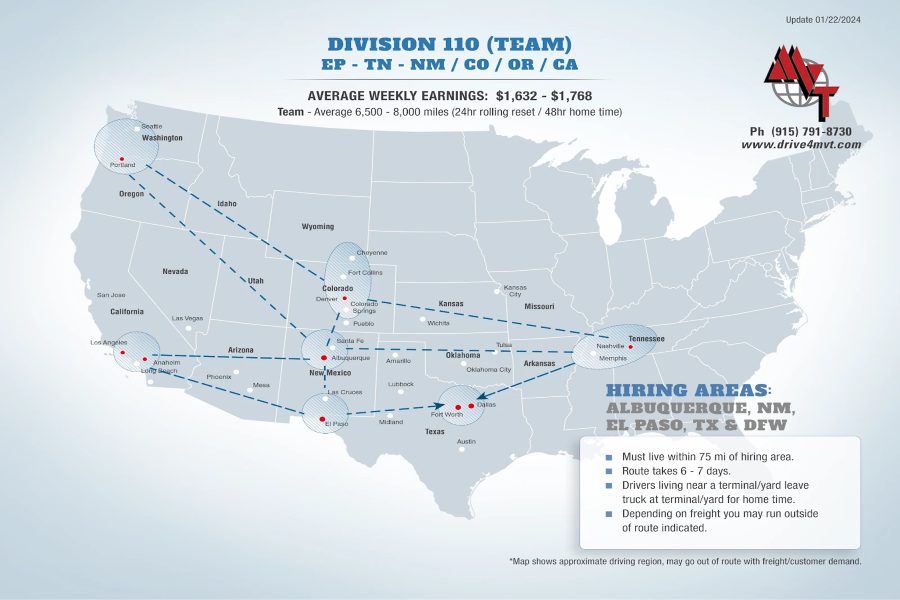
The regional CDL routes in Charlotte mostly travel through Carolina, Georgia, Tennessee, and certain parts of Virginia. These roles are mainly for the drivers who want to reduce the amount of time on the road without committing to a full-fledged OTR schedule.
In contrast to local jobs, regional routes are typically compensated with CPM instead of hourly pay. In this case, the drivers’ income is associated with the number of miles instead of the time spent on duty. This practice is rewarding when the traffic is smooth and goods are being moved consistently, although it can still be influenced by congestion and delays.
Standard characteristics of regional CDL routes include:
- 1–3 nights out per week
- Predictable lanes with repeat customers
- Mix of drop-and-hook and live loads
- Higher weekly income potential than local roles
Several companies state home weekly routes, but for drivers, it is recommended to check which day they return home and how constant the schedule actually is. Some regional runs have weekends off while others rotate their days off.
Pay Models Explained: CPM vs Hourly in Charlotte
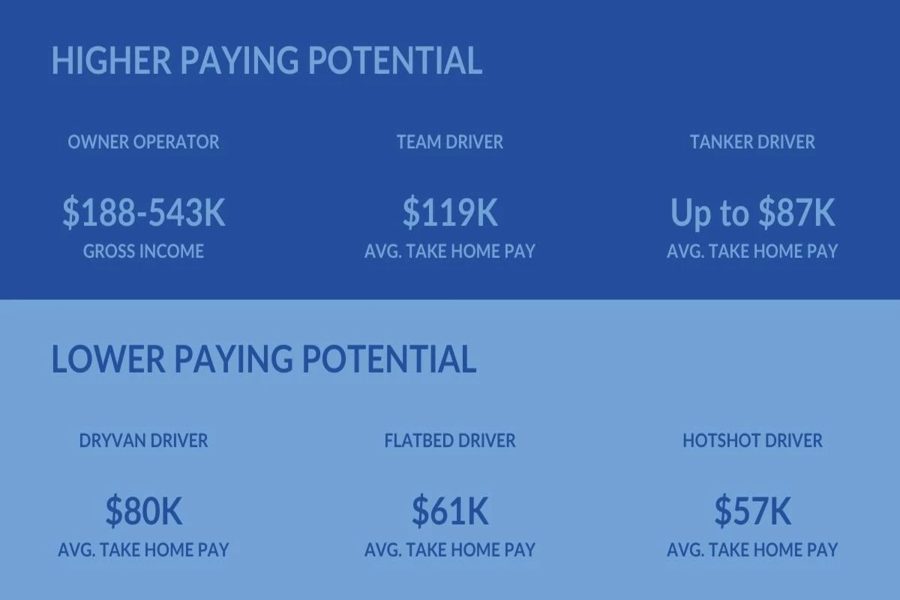
When thinking about making a decision, it is really important to be informed about the various kinds of pay systems that are generally used. In Charlotte, there is a combination of models such as CPM and hourly pay which are commonly paid depending on the type of route being undertaken.
Pay Model Comparison
| Pay Model | Best For | Pros | Cons |
| Hourly Pay | Local CDL jobs | Stable income, paid for delays | Limited upside |
| CPM Pay | Regional routes | Higher earning potential | Income varies by miles |
| Salary / Day Rate | Dedicated accounts | Predictable pay | May hide unpaid hours |
Drivers who are considering the job offers have to calculate their real hourly incomes, not just look at the advertised rates. A high CPM is not so relevant if the miles are not steady, whereas hourly pay is possibly better on urban routes when the traffic is heavy.
Dedicated Accounts and Intermodal Work

Dedicated accounts are common in the Charlotte area since it is the retail client’s hub. They are often combined with local routes that have fixed lanes along with the stable pay of regional work.
Usually, dedicated positions present:
- Fixed lanes and customers
- Consistent equipment assignments
- Scheduled appointment times
- Structured driver benefits packages
On the contrary, intermodal Charlotte jobs focus on rail terminals. Though the routes associated with them are generally local or regional, they may include unpredictable wait times. Therefore, drivers should clarify things like detention pay, average turn times, and chassis availability during the recruiter talk.
Important Driver Benefits for the Charlotte Area
Come over and see the benefits drivers get in the Charlotte area that may impact their job satisfaction and increase their long-term earnings. The most common driver benefits in the Charlotte market are:
- Health and dental insurance with low premiums
- 401(k) matching programs
- Paid orientation and training
- Performance or safety bonuses
Also, drivers should consider companies’ policies regarding vacation time, sick leave, and layover pay. Such details hardly appear in job advertisements but again they solely determine the income’s stability.
CDL A Requirements and Endorsements in North Carolina
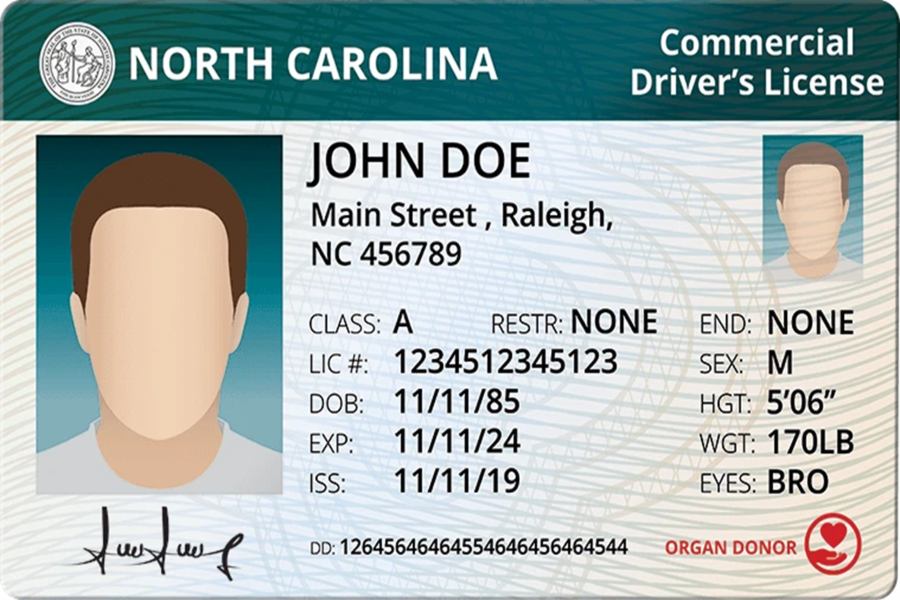
The majority of CDL A Charlotte job positions require a clean driving record and a set standard of experience. Some roles may also want to have specific endorsements in NC, like:
- Hazmat (for intermodal or specialized freight)
- Tanker (less common but higher-paying)
- TWIC card (for port-related freight)
Drivers should investigate whether the necessary endorsements are mandatory or preferred since this would allow them access to more job opportunities.
The Right Questions for the Recruiter

The driver hiring process often runs fast, but speed could result in erroneous expectations. Smart drivers ask very specific questions to the recruiter before they sign anything:
- What is the average take-home pay per week?
- How many stops per day you usually get?
- Is there mostly no-touch freight?
- What is the consistency of the home time?
The clear answers show candor. Whereas the vague answers often point to operational weaknesses.
Conclusion: Appropriate Choice of Carrier in Charlotte

Between the two, Charlotte is the most flexible trucking market in the Southeast region. No matter if you are looking for a predictable schedule or high mileage, both local CDL and regional driving jobs are available in the city. Just make sure to match your priorities with the job structure.
For drivers who are looking for trucking jobs in Charlotte, NC, the success is less about finding the job and more about making the right choice. Knowing about types of routes, pay models, benefits, and recruiter expectations changes job finding from a guessing game to a strategic endeavor — leading to a more long-lasting and satisfying driving career.
FAQ: Truck Driving Jobs in Charlotte, NC
What types of Charlotte truck driving jobs are most common?
Charlotte offers a wide mix of truck driving jobs, including local CDL positions, regional CDL routes, dedicated accounts, and intermodal work. Local roles are often tied to distribution centers and focus on home-daily schedules, while regional routes typically cover the Carolinas and neighboring states with home-weekly options. Dedicated and intermodal positions sit in between, offering predictable lanes but varying wait times.
Do local trucking jobs in Charlotte really offer home daily schedules?
In most cases, yes. Many local Charlotte truck driving jobs are designed for drivers to return home daily. However, shifts can still be long, often 10–12 hours, so drivers should confirm start times, overtime policies, and weekend expectations with recruiters.
Which endorsements NC drivers should consider to access better jobs?
While many jobs require only a standard CDL A, certain endorsements NC drivers hold can unlock higher-paying or more stable roles. Hazmat and TWIC are especially useful for intermodal and specialized freight, while tanker endorsements can open doors to niche local work.
Is experience required for trucking jobs in Charlotte NC?
Most carriers prefer at least 6–12 months of recent experience, but some local fleets and dedicated accounts offer entry-level opportunities with training or ride-along programs.
How competitive is the hiring process?
Charlotte remains a driver-friendly market. With strong freight demand, qualified drivers who understand route types, pay models, and endorsement requirements usually find solid offers quickly.
)